LIVE
OCD← Home
Acres of Diamonds cover
1915
Acres of Diamonds
Russell H. Conwell · The Wealth You Already Own
Chapter 2
Ch. 1
Reading
Ch. 2
Ch. 3
Loading audio...
0:000:00

The guide finally states his moral outright: Ali Hafed could have found acres of diamonds by digging his own cellar or wheat fields instead of dying broke in a foreign land. Conwell matches the parable with two real cases. A California rancher, chasing rumors of gold in 1847, sells his land to Colonel Sutter and leaves for good, just before Sutter's daughter discovers gold flakes in the sifted sand of their own mill stream, a strike eventually worth thirty-eight million dollars.

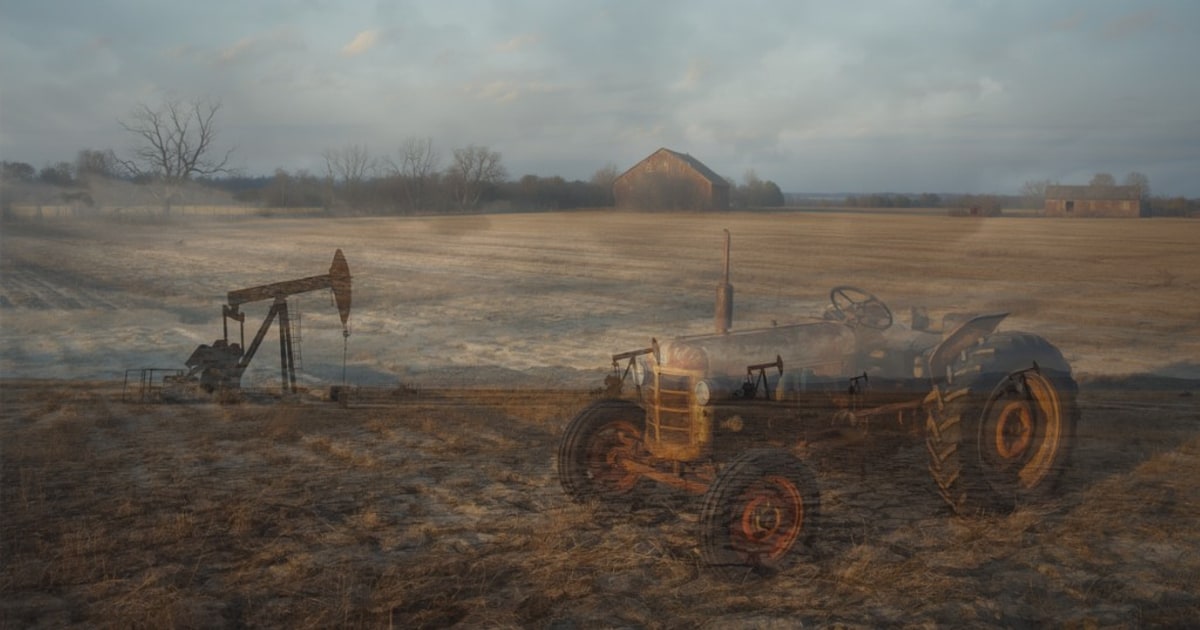
A Pennsylvania farmer decides to leave farming for the coal-oil business up in Canada, but his cousin refuses to hire him until he actually understands the trade. The farmer studies oil for months, then sells his farm for $833 and moves north. The buyer soon finds that a plank the farmer had wedged across the back brook for twenty-three years, meant only to keep cattle from a foul-looking scum, had been quietly damming back a flood of coal oil the state geologists later valued at a hundred million dollars, and later still at a billion.

Conwell closes with a third case: a young Massachusetts mining engineer, top of his class at Yale, is offered a raise from $15 to $45 a week and a professorship. Insulted that the jump was not gradual, he quits on the spot, telling his mother a man with his brain should not work for $45 a week. Mother and son sell their home and move to Wisconsin chasing gold and silver mines. He takes a new job at $15 a week again, with a share of any mine he might discover for the company. He never finds one, and Conwell loses track of him entirely.

Amplified Discussion
The Exit That Skips the Audit

The Californian selling his ranch to Colonel Sutter and the Pennsylvania farmer selling his land to move to Canada share a single flaw: neither one checks what they are leaving behind before checking what they are running toward. Both properties turn out to be sitting on enormous mineral wealth the sellers never bothered to survey. The lesson generalizes far beyond real estate. A person who quits a job the moment a flashier offer appears, without first asking whether their current role has unexploited upside, is running the same experiment. So is someone who leaves a marriage, a city, or a long-running project the instant it stops feeling exciting, without ever really investigating what has quietly accumulated there. Exit decisions made from irritation or boredom tend to skip the audit entirely, because the whole point of leaving is to stop looking at the thing you are frustrated with. Conwell's insistence on digging your own cellar first is really an argument for slowing down at exactly the moment urgency feels highest. A raise turned down out of wounded pride, an offer refused because accepting it feels beneath you, these are Ali Hafed's mistake in miniature, made by people who never left their own front yard.

Explore this chapter with AI to uncover deeper meaning and practical takeaways.

AI Discussion
Why it matters

Auditing Before You Exit

A real opportunity you already hold can look worthless right up until the moment after you have given it away. The Pennsylvania farmer sells his land for $833 without ever checking what a plank across his own brook had been quietly holding back for twenty-three years. Before selling, quitting, or walking away from something familiar, spend as much effort investigating what you already have as you would investigating something new.

Lessons

Psych reading

Selling Out Right Before the Payoff

Exiting a position, asset, or opportunity just before its hidden value becomes visible, because attention and effort were aimed outward instead of at what was already owned.

In the mind

All three stories in this chapter share a single mechanical failure: the person exits a position at the exact moment before its hidden value would have become visible. The California rancher wants gold badly enough to sell his land and vanish, missing the gold that turns up in his own mill stream. The Pennsylvania farmer studies the coal-oil trade seriously enough to get hired elsewhere, then sells the very farm sitting on the resource, unaware a simple plank across his own brook had been holding back a fortune for over two decades. Charlie quits a secure academic track over a raise that insulted his ego rather than his wallet.

What unites these failures is not laziness or stupidity. Each person acts on real information, real ambition, and reasonable caution, and still misses the value directly in front of them. The rancher had a legitimate reason to want gold. The farmer had legitimate caution about not quitting one job before securing another. Charlie had legitimate skill that Yale itself recognized with an offer. The mistake is not the ambition. It is the direction: outward toward an unverified promise, rather than downward into the asset already owned.

This pattern is expensive specifically because it is invisible until after the exit. Nobody warns the rancher that his own streambed will produce more gold than the entire California rush he is chasing. Nobody tells the farmer that a plank he installed himself, for a completely different reason, was quietly proving there was oil under his land the whole time. The information needed to avoid the mistake was always available on-site, but none of these men were looking for it, because their attention had already left for somewhere else.

The fix Conwell implies, without stating it directly here, is a habit of investigating your current position with the same seriousness you would investigate a new opportunity. Before selling, quitting, or leaving, ask what has never actually been tested about what you already hold, not what might be better somewhere unverified.

Find the right chapter

Each mood maps to a life skill. Each skill connects to the patterns in classic literature.

😔How do you feel😊

Personalize your match

Optional—life stage, what you need today, and what you're navigating help us pick chapters that fit—not generic lists. You may also freeform using the feeling search below.

Sign in to save your profile

Choices stay on this device until you sign in.

Browse the Full Library
4,582Chapters
118+Books
86Authors